Manila
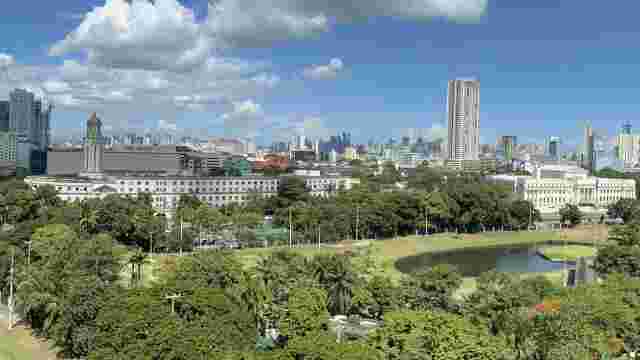
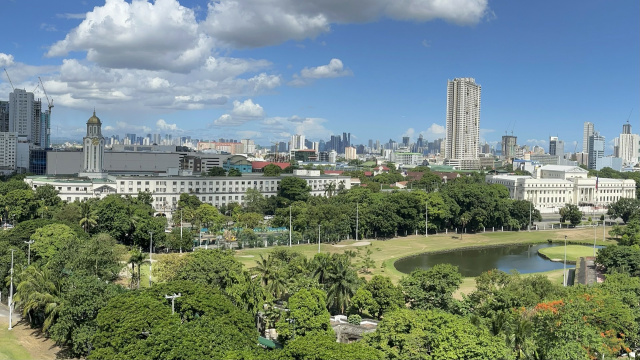
Manila, the densely populated and vibrant capital of the Philippines, is a city of striking contrasts. Situated on the eastern shores of Manila Bay, it serves as the nation's political, economic, and cultural heart. It is a place where centuries of colonial history seamlessly intersect with the chaotic, rapid pace of a modern Asian metropolis.
Origins and Etymology
Long before European colonization, the area was a thriving settlement and trading post with connections to Ming Dynasty China and Islamic states in Southeast Asia. The city derives its name from the Tagalog phrase May-nila, which translates to "where there is nilad." The nilad is a star-shaped, white-flowering mangrove shrub that once grew abundantly along the banks of the Pasig River, the vital waterway that splits the modern city in two.
The Spanish Colonial Era
In 1571, Spanish conquistador Miguel López de Legazpi established Manila as the capital of the Spanish East Indies. The Spanish built Intramuros ("within the walls"), a massive stone-fortified city that served as the center of religious, political, and military power. For over 250 years, Manila was the Asian hub of the famous Manila-Acapulco Galleon Trade. This maritime route connected Asia, the Americas, and Europe, effectively making Manila one of the world's first truly global trading cities.
Resilience and Rebuilding
Manila's history is marked by incredible resilience. It survived earthquakes, fires, and a transition to American rule in 1898. Tragically, it was one of the most devastated cities in the world during World War II. The fierce Battle of Manila in 1945 left much of its historic architecture in ruins. Yet, the city rebuilt itself from the ashes, painstakingly restoring landmarks like the San Agustin Church—a beautiful, Baroque-style UNESCO World Heritage site that miraculously survived the bombings.
The Modern Metropolis
Today, Manila is the anchor of the expansive National Capital Region (Metro Manila). It is a sensory feast, characterized by its iconic, brightly painted jeepneys navigating busy streets alongside modern skyscrapers. The city offers a wealth of cultural touchstones:
-
Fort Santiago: A citadel within Intramuros that serves as a poignant memorial to the Philippine national hero, José Rizal.
- Rizal Park (Luneta): One of the largest urban parks in Asia, offering a green oasis amidst the concrete jungle.
-
Manila Baywalk: A popular seaside promenade renowned for offering some of the most spectacular, golden sunsets in the world.
Despite its famous traffic and chaotic energy, Manila's enduring charm lies in its layered history and the warmth of its people. It is a resilient city that honors its past—from the ancient nilad plants to the fortified walls of Intramuros—while continuously rushing headlong into the future.